Precise diagnosis first
Digital imaging, laboratory work-up and specialist evaluation confirm the exact cause before any treatment is advised.
From Digestion to Motion – We Heal with Precision !!


Diagnosis and long-term management of Crohn's disease, an inflammatory bowel condition that can affect any part of the digestive tract.
Crohn's disease is a lifelong autoimmune condition in which the body's immune system causes patchy, "skip-lesion" inflammation anywhere along the digestive tract — most often the terminal ileum (end of the small intestine) and colon. Unlike ulcerative colitis, inflammation can go deep into the bowel wall, which is what leads to some of its distinctive complications.
Diagnosis and long-term management of Crohn's disease, an inflammatory bowel condition that can affect any part of the digestive tract.
Crohn's disease is a chronic inflammatory bowel disease (IBD) that can affect any part of the digestive tract from the mouth to the anus, though it most often involves the end of the small intestine and the start of the colon. It causes patches of inflammation that can extend deep into the bowel wall, unlike ulcerative colitis, which stays confined to the innermost lining.
Dr. Neil B. Palkhiwala, Consultant Gastroenterologist with 12+ years of experience and a special interest in inflammatory bowel disease, manages Crohn's disease at Aryav Super Speciality Hospital in Science City, Sola, Ahmedabad, Gujarat — easily reached from Bhadaj, Shilaj, Ghatlodiya, Gota, Thaltej, Hebatpur, Memnagar and Gurukul.
There is no single cure, but with the right combination of medication, monitoring and, when needed, endoscopic or surgical treatment of complications, most patients achieve long periods of remission and a normal quality of life.
Patients choose Dr. Neil B. Palkhiwala for an accurate diagnosis using colonoscopy and biopsy, a treatment plan matched to disease severity, and structured long-term monitoring rather than a one-time prescription.
At Aryav Super Speciality Hospital, Sola, Ahmedabad, Gujarat, this treatment is planned and performed by Dr. Neil B. Palkhiwala and the clinical team, supported by advanced imaging, modular operation theatres, dedicated intensive care and an in-house rehabilitation unit.
Detailed history and examination, including weight trends and any symptoms outside the gut.
Blood and stool tests, including faecal calprotectin, to confirm inflammation and rule out infection.
Colonoscopy with biopsy to confirm the diagnosis and map the extent of disease, sometimes combined with capsule endoscopy to assess the small bowel.
Cross-sectional imaging (MR enterography or CT) where deeper or small bowel involvement needs to be seen.
A staged medical treatment plan — from anti-inflammatory and immunosuppressive therapy to biologics — matched to disease severity.
Coordinated surgical referral for strictures, fistulas or abscesses that don't respond to medical therapy.
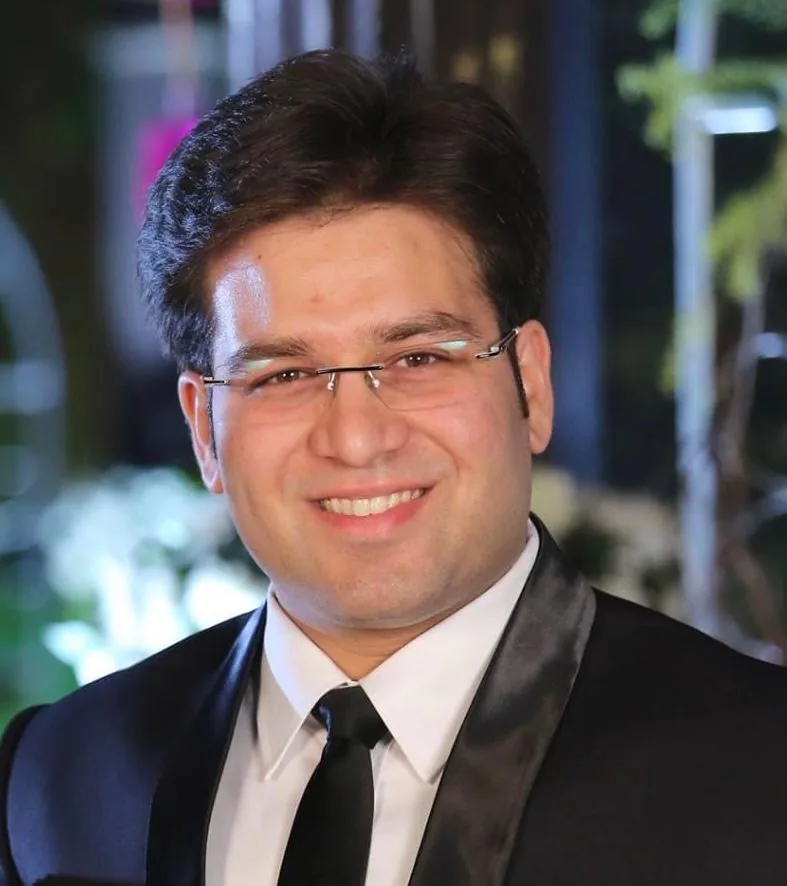
Dr. Neil B. Palkhiwala
Consultant Gastroenterologist & Hepatologist
MBBS, MD, DM, MRCP SCE (UK)
Dr. Neil B. Palkhiwala is a highly qualified and compassionate Consultant Gastroenterologist and Hepatologist, committed to delivering comprehensive digestive and liver care with a patient-first approach. He is the Founder and Director of Aryav Superspeciality Hospital in Ahmedabad, Gujarat.
View full profileDigital imaging, laboratory work-up and specialist evaluation confirm the exact cause before any treatment is advised.
Modern techniques and modular operation theatres help reduce tissue damage, blood loss and hospital stay.
Every option — medical, endoscopic or surgical — is explained with expected outcomes, recovery time and cost.
Physiotherapy, diet guidance and scheduled reviews continue well after discharge.
Dr. Neil B. Palkhiwala, Consultant Gastroenterologist with over 12 years of experience and a special interest in inflammatory bowel disease, personally manages every Crohn's disease patient at Aryav.
No. Both are inflammatory bowel diseases, but Crohn's can affect any part of the gut in patches and go deep into the bowel wall, while ulcerative colitis is confined to the innermost lining of the colon and rectum in a continuous pattern.
There is no permanent cure, but modern medical therapy achieves and maintains remission in the large majority of patients, allowing a normal quality of life.
Not necessarily. Most patients are managed medically. Surgery is reserved for complications such as strictures, fistulas or abscesses that don't respond to medical treatment.
Through a combination of blood and stool tests, colonoscopy with biopsy, and sometimes imaging or capsule endoscopy to assess the small bowel.
Diet supports treatment and helps manage symptoms and nutrition, but it does not replace medical therapy for controlling the underlying inflammation.
Dr. Neil B. Palkhiwala treats Crohn's disease at Aryav Super Speciality Hospital, Science City, Sola, Ahmedabad — convenient for patients from Bhadaj, Shilaj, Ghatlodiya, Gota, Thaltej, Hebatpur, Memnagar and Gurukul.
Speak to our gastroenterology and orthopaedic specialists at Aryav Super Speciality Hospital, Ahmedabad. Same-day consultations available.