Precise diagnosis first
Digital imaging, laboratory work-up and specialist evaluation confirm the exact cause before any treatment is advised.
From Digestion to Motion – We Heal with Precision !!

ERCP combines endoscopy and X-ray to treat blocked bile or pancreatic ducts precisely and safely.
ERCP is a specialised endoscopic procedure that combines a side-viewing endoscope with X-ray (fluoroscopy) to examine and treat the bile ducts and pancreatic duct — the drainage system of the liver, gallbladder and pancreas. Unlike a diagnostic scan, ERCP allows the gastroenterologist to treat what is found in the same sitting.
ERCP combines endoscopy and X-ray to treat blocked bile or pancreatic ducts precisely and safely.
ERCP (Endoscopic Retrograde Cholangiopancreatography) combines endoscopy with real-time X-ray imaging to diagnose and treat problems of the bile duct and pancreatic duct without open surgery. It is the standard treatment for bile duct stones and for relieving jaundice caused by a blocked duct.
Dr. Neil B. Palkhiwala, Consultant Gastroenterologist and Hepatologist with 12+ years of experience, performs ERCP at Aryav Super Speciality Hospital in Science City, Sola, Ahmedabad, Gujarat — easily reached from Bhadaj, Shilaj, Ghatlodiya, Gota, Thaltej, Hebatpur, Memnagar and Gurukul.
ERCP is an advanced therapeutic procedure and its outcomes depend heavily on operator experience. Dr. Neil B. Palkhiwala is trained specifically in advanced hepatobiliary endoscopy and is an expert in ERCP and therapeutic EUS, routinely performing stone extraction, stricture dilatation and stent placement.
Patients choose Dr. Neil B. Palkhiwala for a carefully assessed treatment plan, same-day relief from an obstructed duct wherever possible, and a clear explanation of findings and follow-up after the procedure.
At Aryav Super Speciality Hospital, Sola, Ahmedabad, Gujarat, this treatment is planned and performed by Dr. Neil B. Palkhiwala and the clinical team, supported by advanced imaging, modular operation theatres, dedicated intensive care and an in-house rehabilitation unit.
Your imaging (ultrasound, CT or MRCP) and blood reports are reviewed beforehand to plan the approach.
You come fasting for the period advised; blood-thinning medicines are discussed and adjusted in advance.
Sedation or anaesthesia is given so the procedure is done comfortably in a dedicated suite.
A side-viewing endoscope is guided to the opening of the bile duct, and contrast dye with live X-ray reveals the blockage precisely.
Stones are extracted, a stricture is dilated, or a stent is placed to restore drainage — in the same sitting.
You are monitored in recovery and the findings are explained before discharge.
ERCP can be diagnostic, but is far more often therapeutic — treating the blockage in the same sitting it is found, which is why it is the standard of care for bile duct stones and duct strictures.
Used when non-invasive imaging (ultrasound, CT or MRCP) has not fully clarified the cause of a duct problem, allowing direct contrast imaging and, where needed, a biopsy or brush cytology of a suspicious stricture.
Most ERCPs at Aryav combine diagnosis and treatment in one sitting.
ERCP is technically one of the most demanding endoscopic procedures, and outcomes and complication rates are directly linked to how many the operator has performed. Dr. Neil B. Palkhiwala's training in advanced hepatobiliary endoscopy and regular ERCP practice is what allows a high success rate at the first attempt, reducing the need for a repeat procedure.
Our team gives you exact instructions at booking, but these are the essentials most patients are asked to follow before ERCP.
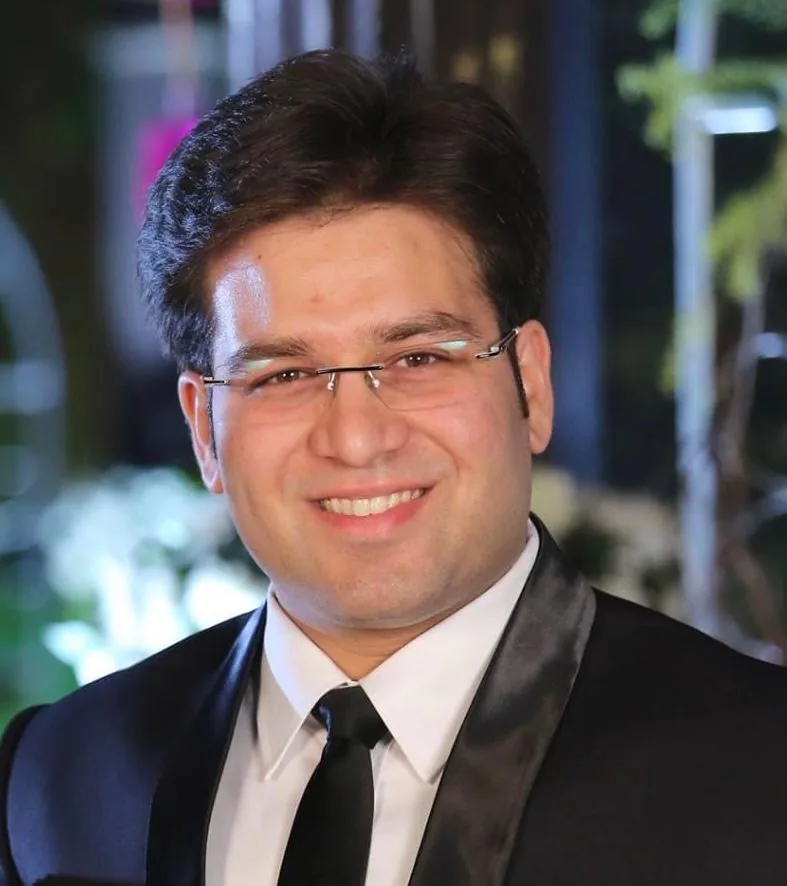
Dr. Neil B. Palkhiwala
Consultant Gastroenterologist & Hepatologist
MBBS, MD, DM, MRCP SCE (UK)
Dr. Neil B. Palkhiwala is a highly qualified and compassionate Consultant Gastroenterologist and Hepatologist, committed to delivering comprehensive digestive and liver care with a patient-first approach. He is the Founder and Director of Aryav Superspeciality Hospital in Ahmedabad, Gujarat.
View full profileDigital imaging, laboratory work-up and specialist evaluation confirm the exact cause before any treatment is advised.
Modern techniques and modular operation theatres help reduce tissue damage, blood loss and hospital stay.
Every option — medical, endoscopic or surgical — is explained with expected outcomes, recovery time and cost.
Physiotherapy, diet guidance and scheduled reviews continue well after discharge.
Dr. Neil B. Palkhiwala, Consultant Gastroenterologist and Hepatologist with over 12 years of experience, is trained specifically in advanced hepatobiliary endoscopy and personally performs every ERCP at Aryav.
No. It is an endoscopic procedure performed through the mouth, with no external incision.
No. ERCP is done under sedation or anaesthesia, so you are comfortable throughout and monitored closely afterward.
The main risk is post-ERCP pancreatitis, which occurs in a small percentage of cases; standard preventive measures are taken routinely. Other rare risks include bleeding, infection or a duct injury. Sharing your full medical history and current medicines beforehand keeps these risks to a minimum.
Plastic stents are usually changed or removed after a few weeks to a few months; metal stents used for tumour-related blockage may remain long term. Your gastroenterologist plans the right type and timeline for you.
The procedure itself usually takes 30 to 60 minutes, depending on the complexity of the blockage, though the full visit including sedation and recovery takes longer.
Many patients go home within 24 hours. A slightly longer stay may be advised if a stent is placed for a complex blockage or if you are being treated for an active infection.
A regular upper GI endoscopy examines the food pipe, stomach and duodenum. ERCP uses a specialised side-viewing scope with X-ray guidance to access and treat the bile duct and pancreatic duct specifically — it is a more advanced, therapeutic procedure.
Dr. Neil B. Palkhiwala performs ERCP at Aryav Super Speciality Hospital, Science City, Sola, Ahmedabad — convenient for patients from Bhadaj, Shilaj, Ghatlodiya, Gota, Thaltej, Hebatpur, Memnagar and Gurukul.
Speak to our gastroenterology and orthopaedic specialists at Aryav Super Speciality Hospital, Ahmedabad. Same-day consultations available.